Managed Farmland for sale in Tumakuru
Managed farmland in Tumakuru, Karnataka — plots inside developer-run plantation estates, where an operator plants and maintains the land for an annual charge. Listed separately from ordinary farmland because it is a different purchase: check what is registered in your name, what the maintenance agreement commits to, and what happens if the operator stops operating.
Available managed farmlands in Tumakuru
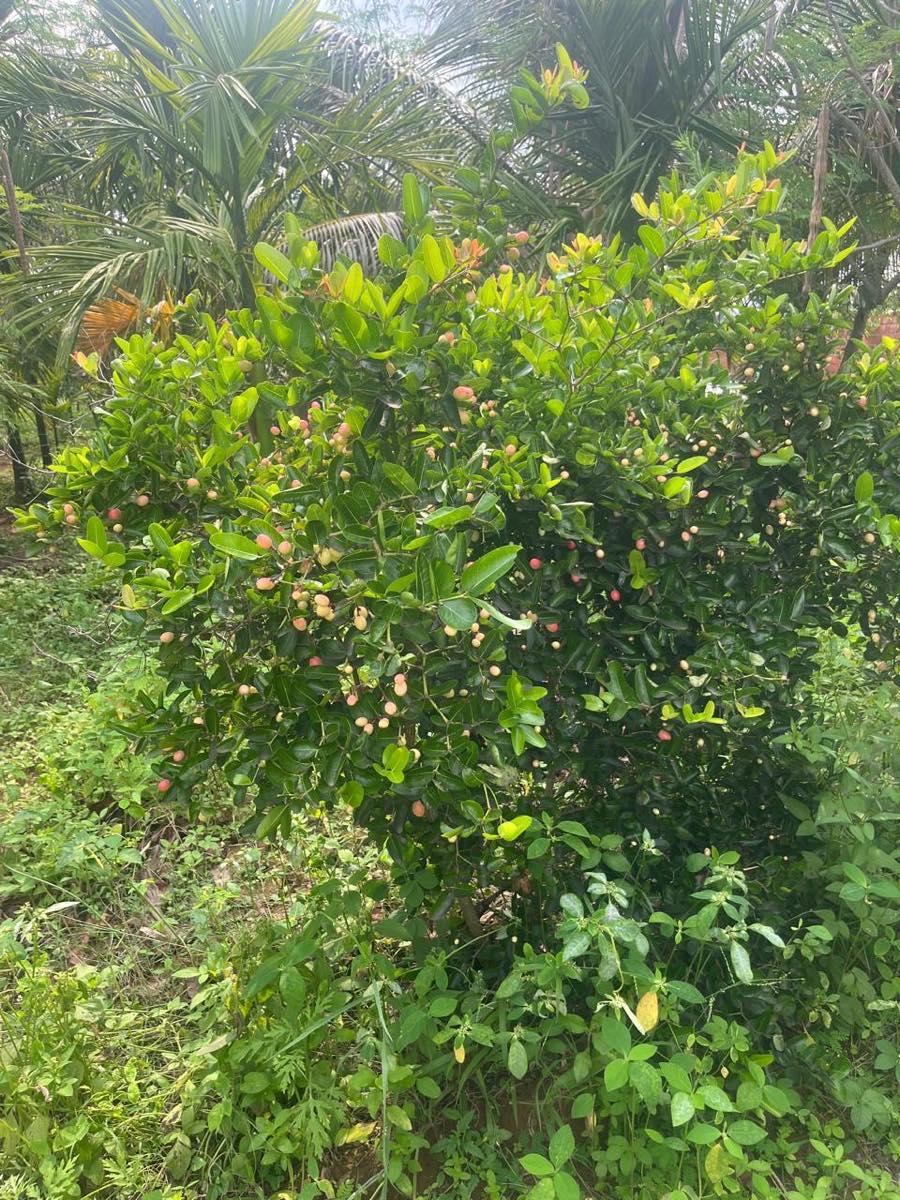
Managed farmlands in Tumakuru right now
1 listing in and around Tumakuru, in Kunigal.
Land records in Karnataka
The record of rights here is the RTC (Pahani). Pull a fresh copy yourself from Bhoomi, the official portal, rather than relying on the seller's copy. All Karnataka land record and registration portals.
How land is measured here
Land is measured in acres and guntas, with 40 guntas to an acre -- so "2.36 acres" on a listing usually means 2 acres 36 guntas. Convert between units.
Buying in Karnataka
Read How to buy farmland in Karnataka: a step-by-step guide before you pay an advance: which records to check, in what order, and what state rules apply.
Frequently asked questions
Are managed farmlands listings in Tumakuru verified?
Brokers who have been verified carry a Verified Broker badge on their listings. Each listing page also shows the RERA number where one applies and whether the location has been verified, and search can be narrowed to EC-verified listings. Before paying anything, pull the RTC and Encumbrance Certificate yourself.
How do I contact a broker for a listing in Tumakuru?
Open any listing and use the "Contact Broker" button to message the broker directly.
What is managed farmland?
A developer aggregates a large parcel, plants a long-cycle crop such as mango, sandalwood, melia dubia, coconut or arecanut, and sells sub-divided plots to individual buyers. A management company, usually related to the developer, operates the whole estate under a maintenance agreement, and buyers pay an annual maintenance charge. Some schemes are sound; others are land sales with an agricultural story attached, priced above what the agriculture can justify.
What exactly gets registered in my name?
This is the question that matters most. The answer should be a specific, identified sub-divided parcel with its own survey or sub-division number, conveyed by registered sale deed, with a record that will be mutated into your name. An undivided share in a larger parcel, a share in a company or LLP that owns the land, or a lease, licence or right to use is something other than land ownership, with different risks and much worse liquidity. Ask for the sanctioned sub-division and the separate revenue record for your plot, not for the parent parcel.
Why is managed farmland listed separately from farmland in Tumakuru?
Because it is a different purchase. A managed farmland plot carries an annual maintenance charge, sits inside an operation somebody else runs, and may convey something other than an outright parcel. Mixing it into farmland results would hide those differences, so the two filters are kept separate on Agriva.
What should I check before buying into a managed estate?
Read the maintenance agreement properly: its term, how the charge is revised and whether there is a cap, what the charge covers, and specifically whether non-payment can create a charge over your land. Ask what happens if the management company fails, since your plot depends on shared access, irrigation and security: whether there is an owners' association able to take over, whether common infrastructure has been conveyed to it, and whether the access road is a registered right of way in your favour rather than a permission that dies with the company. Check income projections for establishment years with costs and no revenue, realised farmgate rather than retail prices, labour costed properly, and at least one bad year.
Can an NRI buy managed farmland in India?
No. NRIs and OCI holders cannot buy agricultural land in India under central FEMA rules, and most managed farmland remains classified as agricultural. Schemes marketed to the diaspora deserve particular care on this point. Eligibility also varies by state for resident buyers: Maharashtra restricts non-agriculturists, while Karnataka's 2020 amendment removed the income bar.